
Why Confidence Matters in Early Childhood
Confidence is more than just feeling good—it’s a crucial skill that impacts a child’s social interactions, academic performance, and emotional well-being. Teaching confidence-building habits for children early helps them navigate challenges, develop independence, and feel secure in their abilities.
Confident children are more likely to try new activities, form meaningful friendships, and persevere through setbacks. As parents, caregivers, or educators, establishing habits that nurture confidence can make a lasting difference.
1. Encourage Independent Problem-Solving
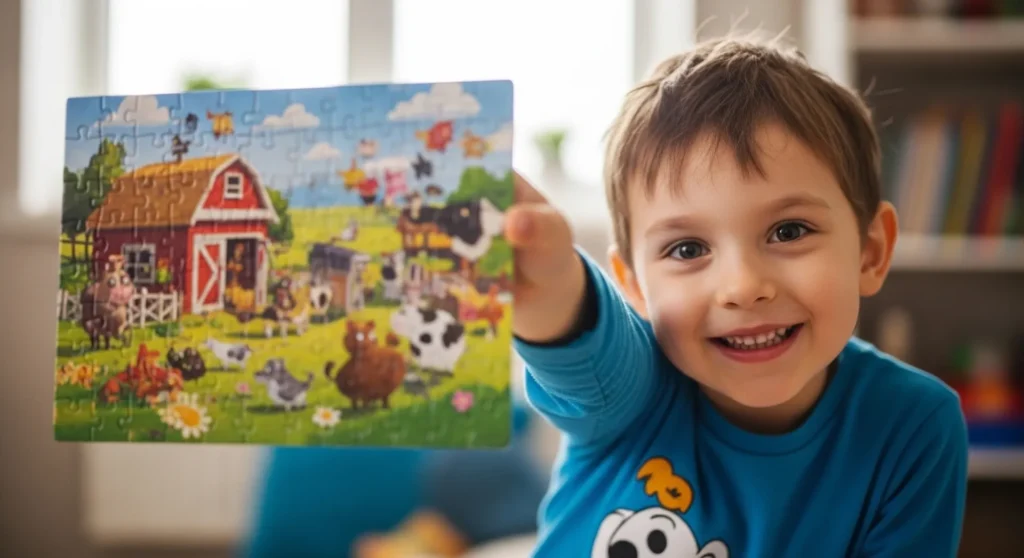
 One of the best ways to build confidence is to let children tackle age-appropriate problems on their own. This could mean letting a preschooler figure out a simple puzzle or allowing a school-aged child to plan their own homework schedule.
Practical Tips
- Ask guiding questions instead of giving immediate answers.
- Celebrate small successes to reinforce effort.
- Encourage retrying after mistakes rather than providing solutions right away.
Research shows that children who are encouraged to solve problems independently develop stronger self-efficacy and confidence in their decisions (American Psychological Association).
2. Praise Effort, Not Just Results
Children often equate success with innate talent. Instead, praise the effort they put into a task, emphasizing the learning process. This habit teaches resilience and reduces fear of failure.
How to Practice
- Say, “I’m proud of how hard you worked on that project,” instead of, “You’re so smart.”
- Highlight persistence and problem-solving rather than perfect outcomes.
- Encourage reflection on what they learned from mistakes.
For more ideas on positive reinforcement techniques, check Verywell Mind.
3. Give Small Responsibilities
 Assigning age-appropriate chores or tasks builds a sense of ownership and achievement. Whether it’s setting the table, feeding a pet, or organizing school supplies, responsibility reinforces capability.
Implementation Tips
- Start with simple, manageable tasks and gradually increase complexity.
- Guide first, then step back to let them succeed.
- Recognize completion and effort publicly to boost self-esteem.
Encouraging responsibility aligns with the findings from Child Mind Institute, which notes that kids gain confidence when trusted with meaningful tasks.
4. Encourage Healthy Risk-Taking
Confidence grows when children step slightly outside their comfort zones. Allowing them to try new activities—like climbing a tree, joining a team, or speaking in front of a class—teaches resilience.
How to Support
- Set safe boundaries, then allow exploration.
- Celebrate attempts, not just successes.
- Share your own experiences with overcoming fears to model courage.
Learn more about fostering safe risk-taking in children through HealthyChildren.org.
5. Model Confidence as a Parent
Children absorb behaviors from their parents. Displaying confidence in your daily life—like calmly handling stress or trying new tasks—teaches kids to mirror those behaviors.
Ways to Model Confidence
- Talk through problem-solving processes aloud.
- Accept mistakes gracefully and discuss lessons learned.
- Demonstrate self-care and assertiveness in age-appropriate ways.
For additional parenting strategies, see our guide to intentional parenting rituals.
6. Promote Social Interaction
 Social experiences strongly influence confidence. Playdates, group activities, and classroom participation teach children how to communicate, collaborate, and assert themselves respectfully.
Supporting Social Confidence
- Encourage participation in team activities and clubs.
- Teach problem-solving in social conflicts.
- Celebrate cooperation and leadership moments.
For local ideas, see our article Building Lifelong Mom Friendships, which also includes tips for organizing child-friendly gatherings.
7. Encourage Reflection and Self-Awareness
Helping children identify their strengths, challenges, and feelings builds self-understanding, which is a cornerstone of confidence.
Reflection Techniques
- Have children journal or talk about their day’s successes and challenges.
- Ask open-ended questions about how they felt during tasks.
- Teach them to recognize personal growth over time.
Resources on emotional awareness can be found at the Gottman Institute.
Final Thoughts
Developing confidence-building habits for children is an ongoing process that begins in early childhood. By promoting problem-solving, praising effort, assigning responsibility, supporting risk-taking, modeling confidence, encouraging social interaction, and fostering reflection, parents can help children grow into resilient, self-assured individuals.
For more ideas on parenting strategies that build strong foundations, visit our guides on parenting tips for new moms and parenting support in Morristown.